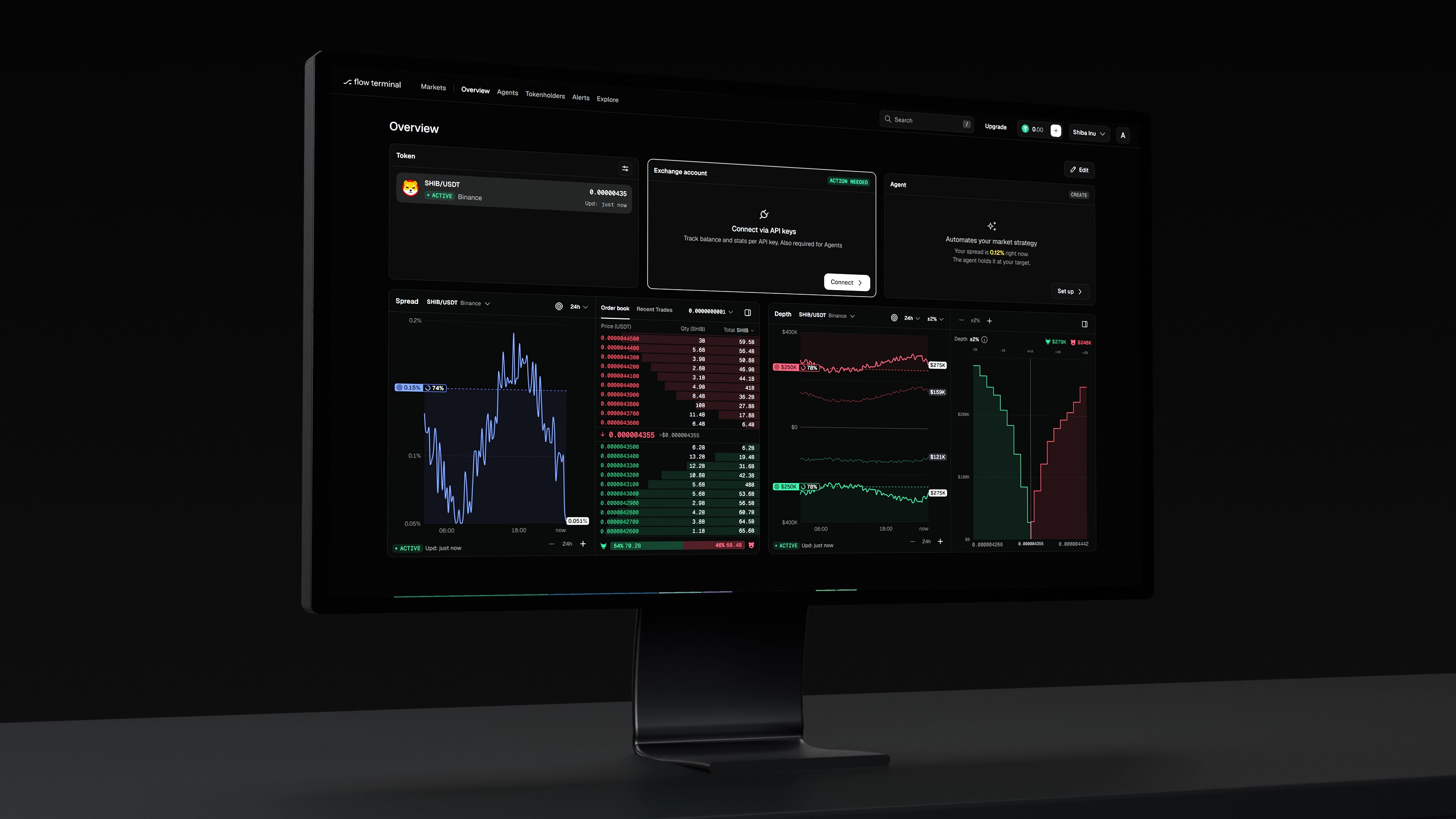
Overview
A token team comes to Flow Terminal to fix how its token trades, and the fix is an agent. The first version had no clear way in. I designed the path from an empty workspace to a running agent, and built it.
Outcome
The number I'd watch: how many new workspaces get to a running agent.
One card at a time
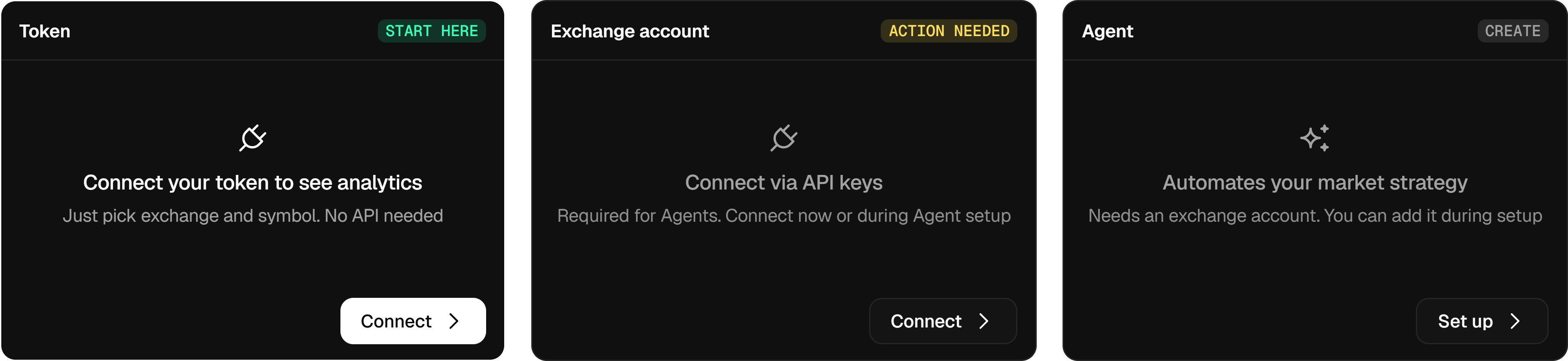
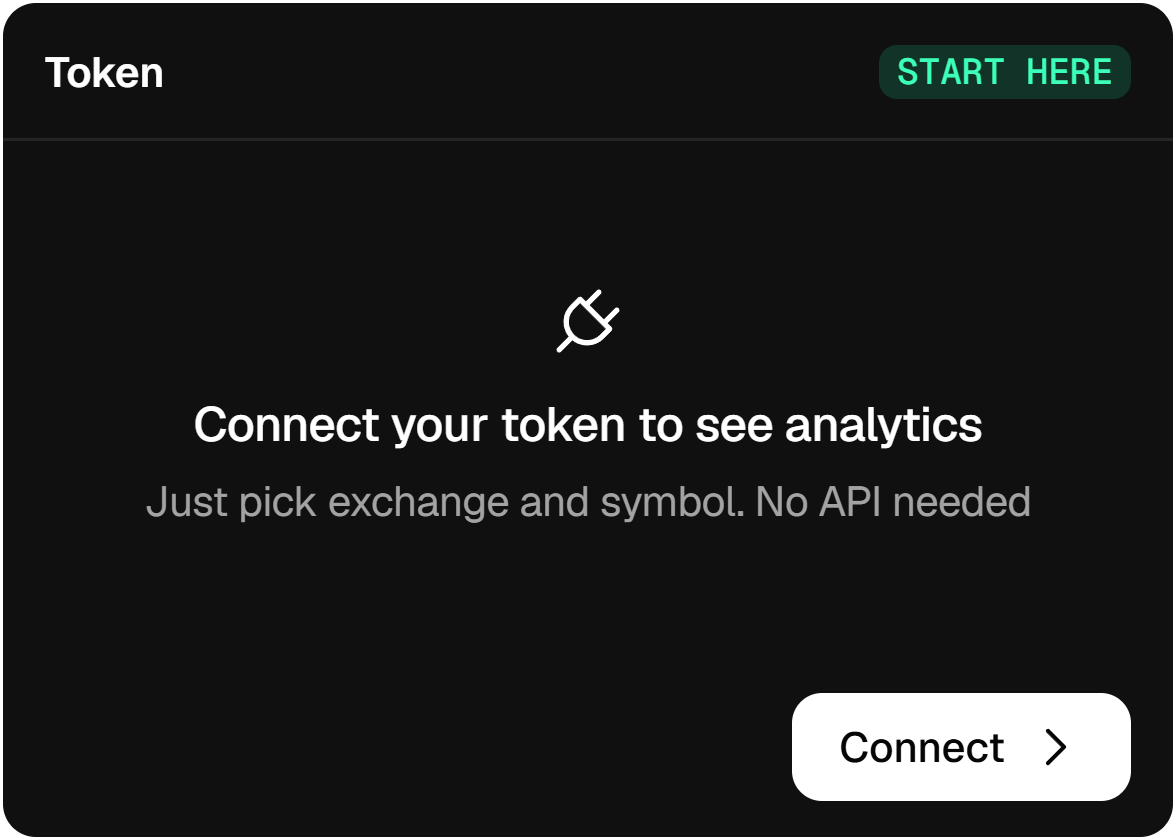
A new workspace opens on three cards: token, exchange account, agent. One of them is lit as the next thing to do, worked out from what the team already has.
The token comes first, because that's what the team wants to fix. The exchange comes next: an agent can't run without one, and it's easier to set up when its exchange is already there. Try to start an agent first, and Overview sends you to the exchange.
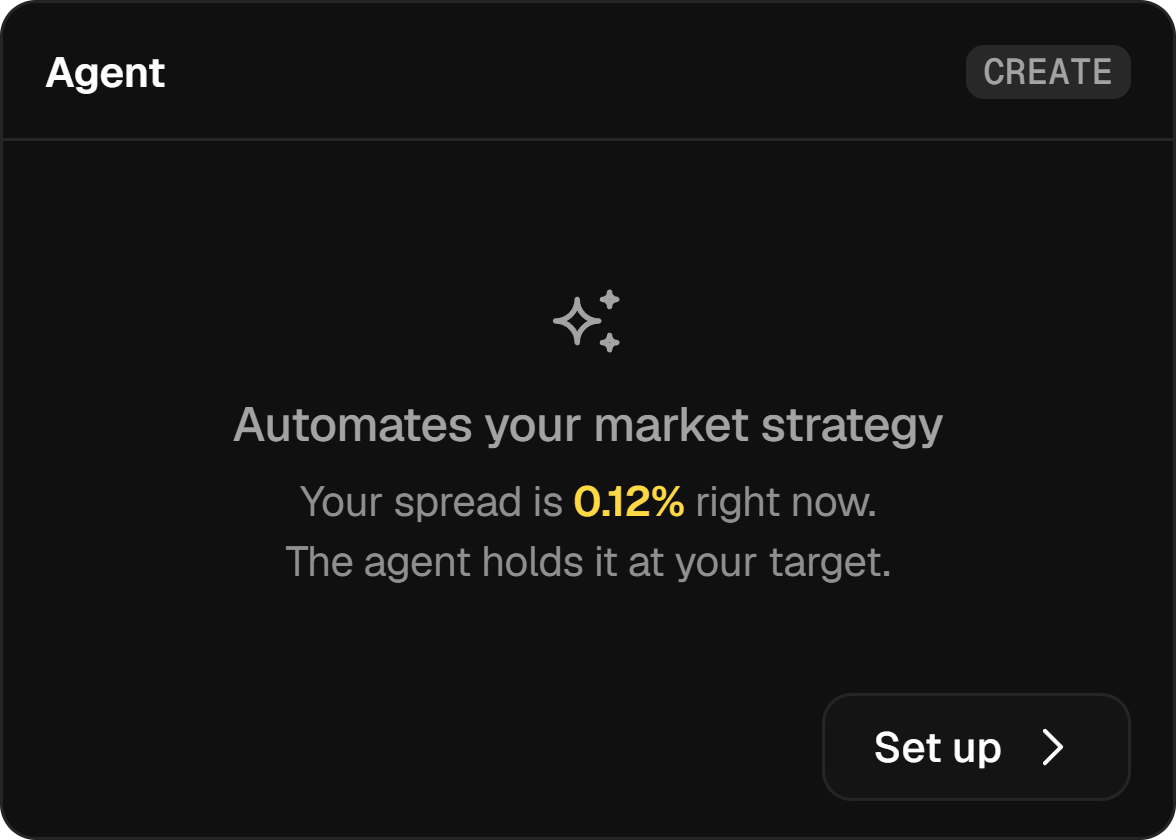
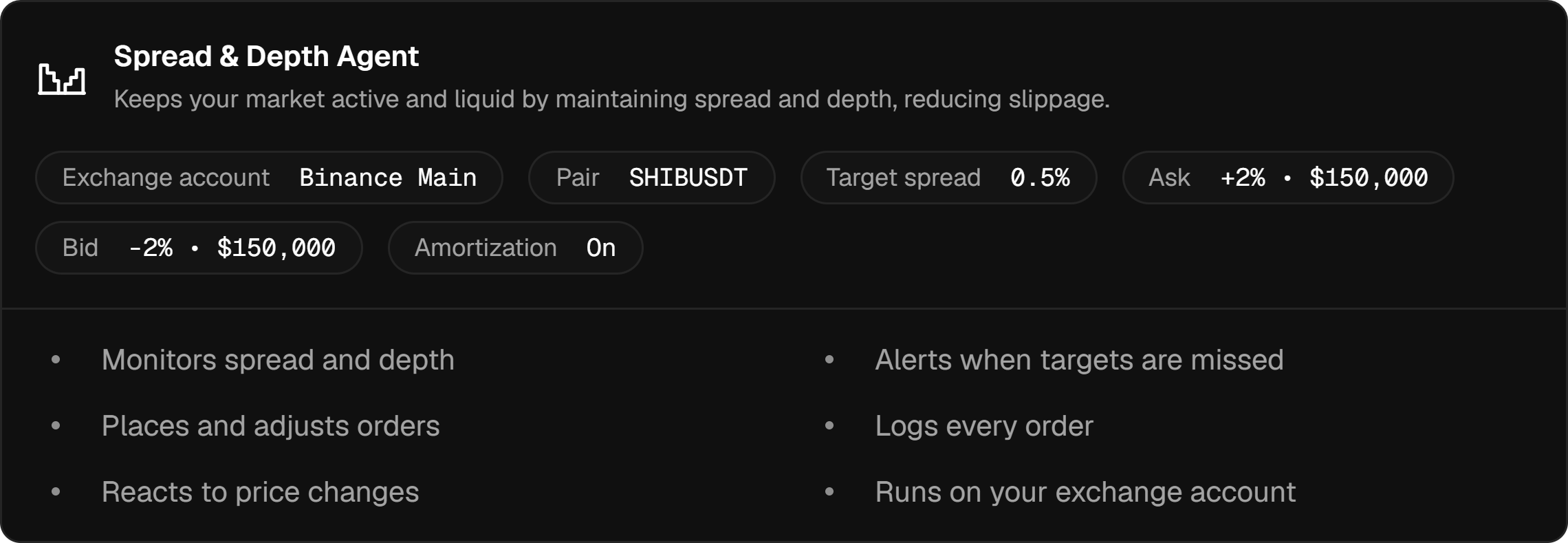
The agent card shows the token's spread right now, so the reason to start an agent sits on the same screen as the button.
Four steps, one already done
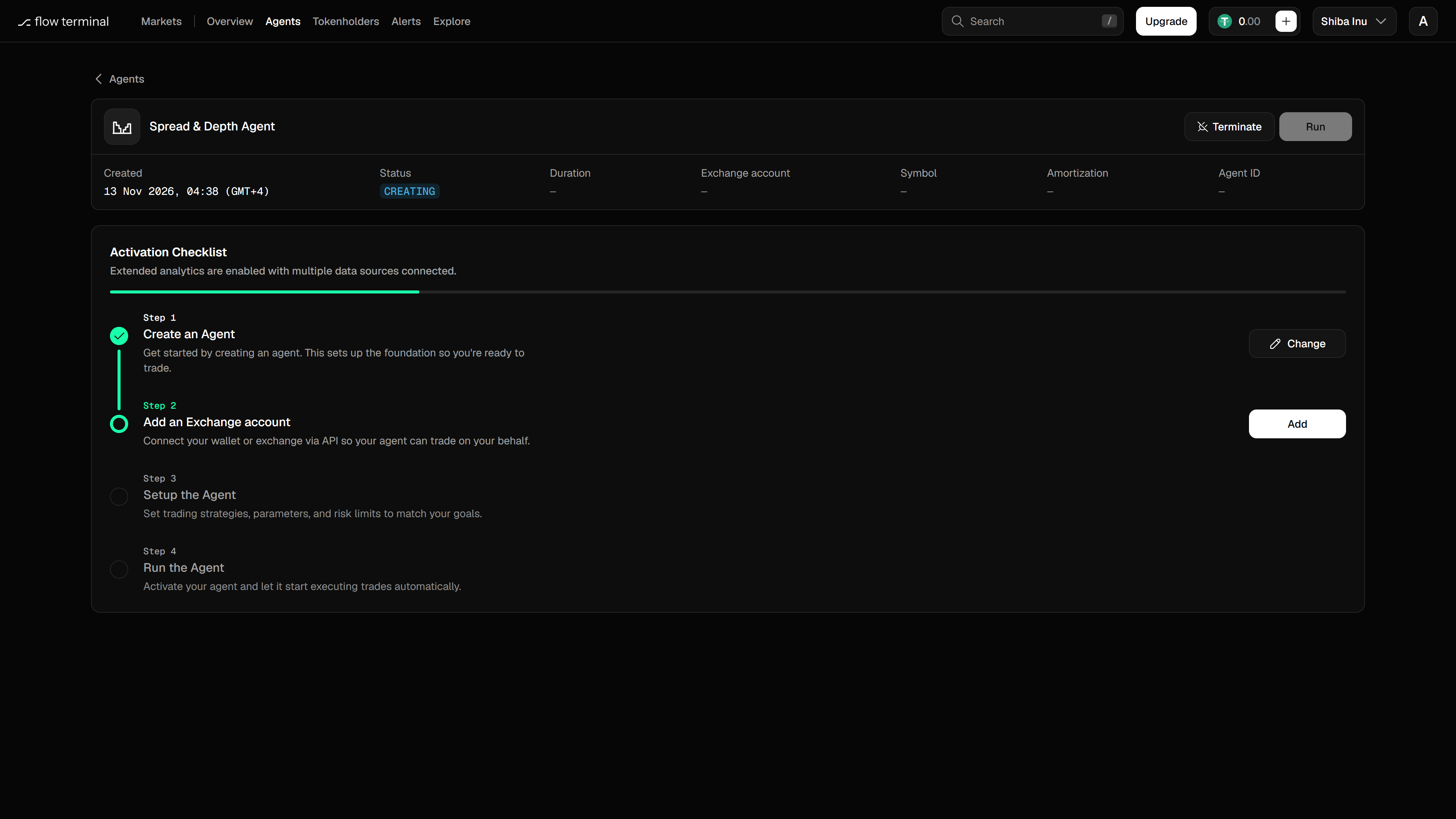
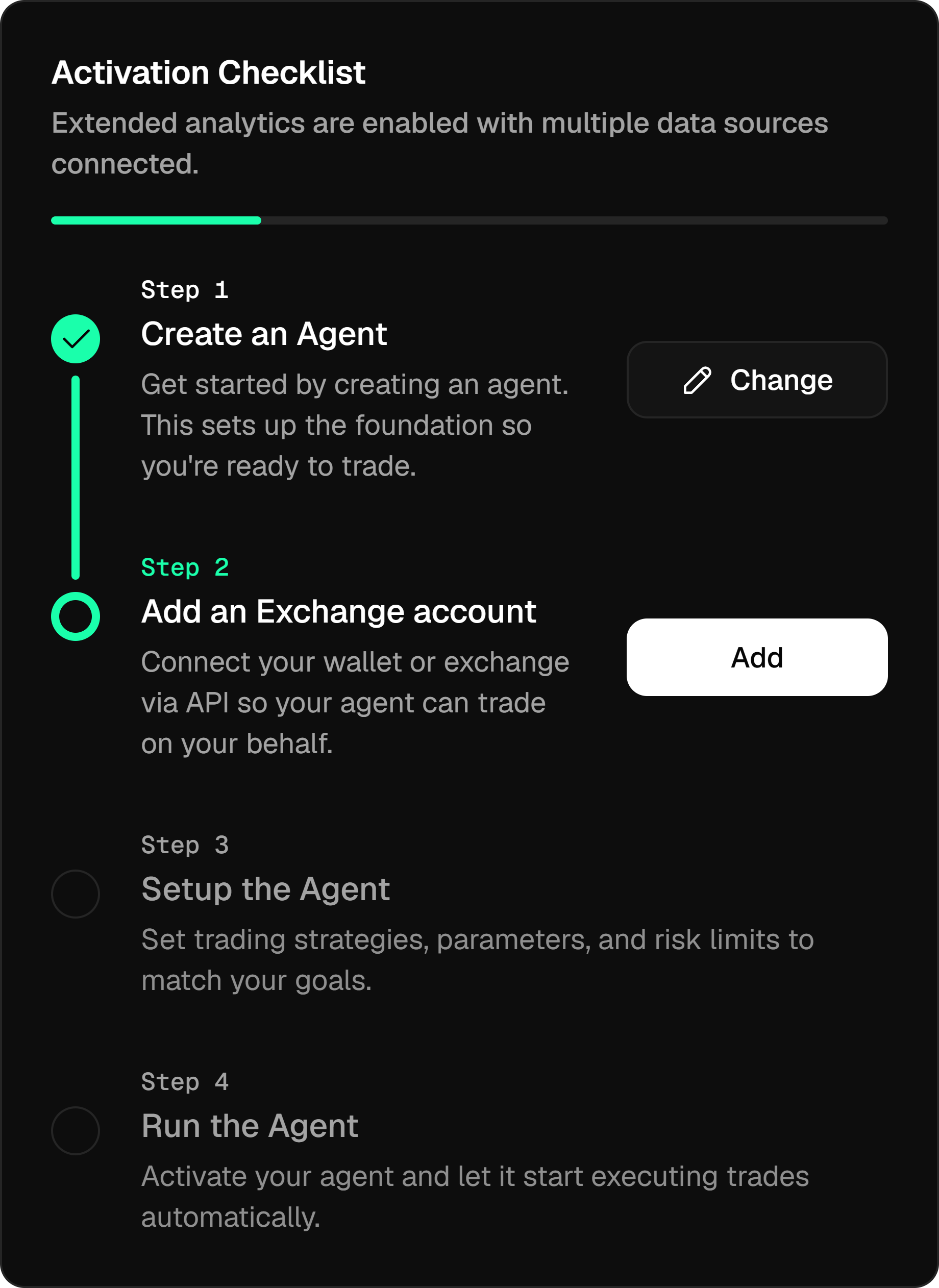
Every agent has a checklist: create it, add an exchange account, set it up, run it.
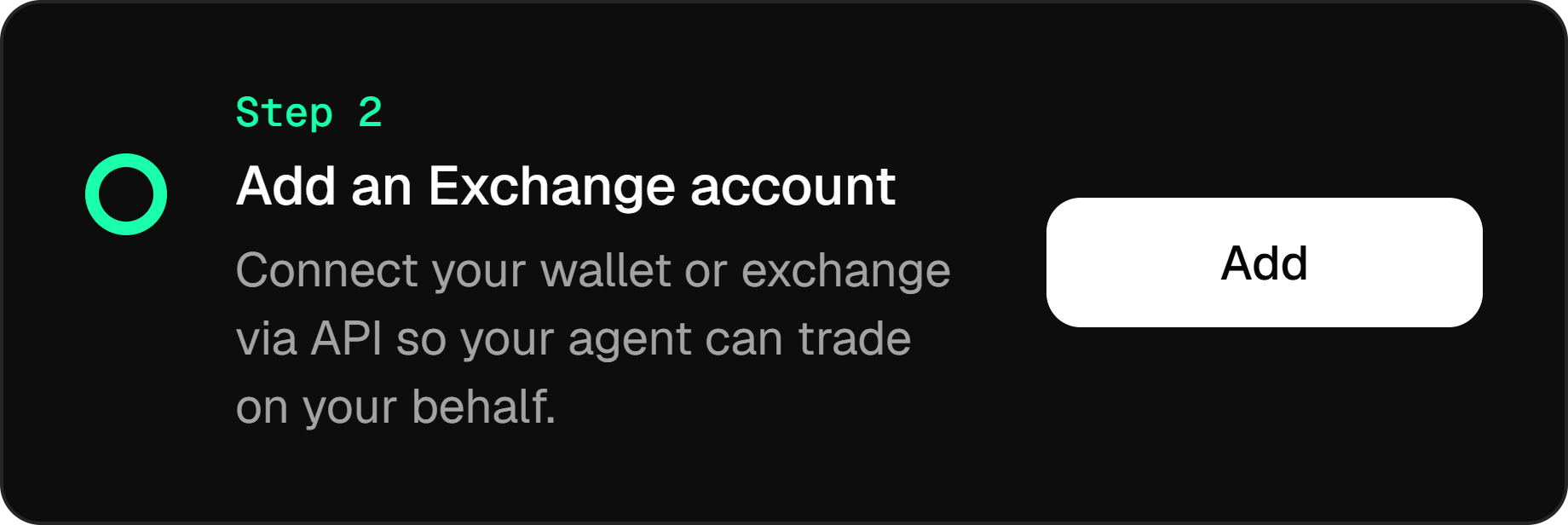
The first step is done the moment you pick an agent, so nobody starts from zero. Only two steps take real work: the keys and the settings.
Pay at the last button
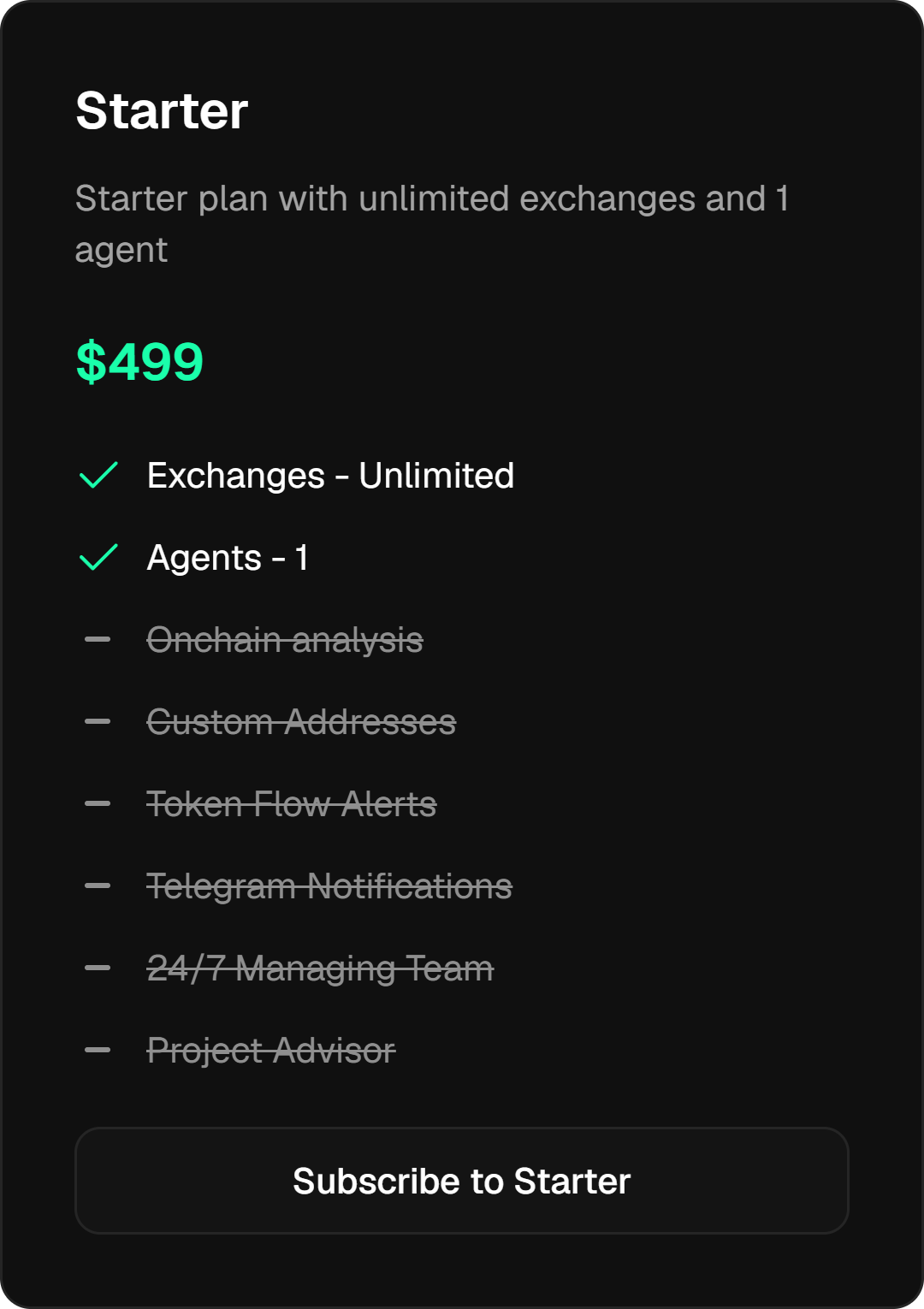
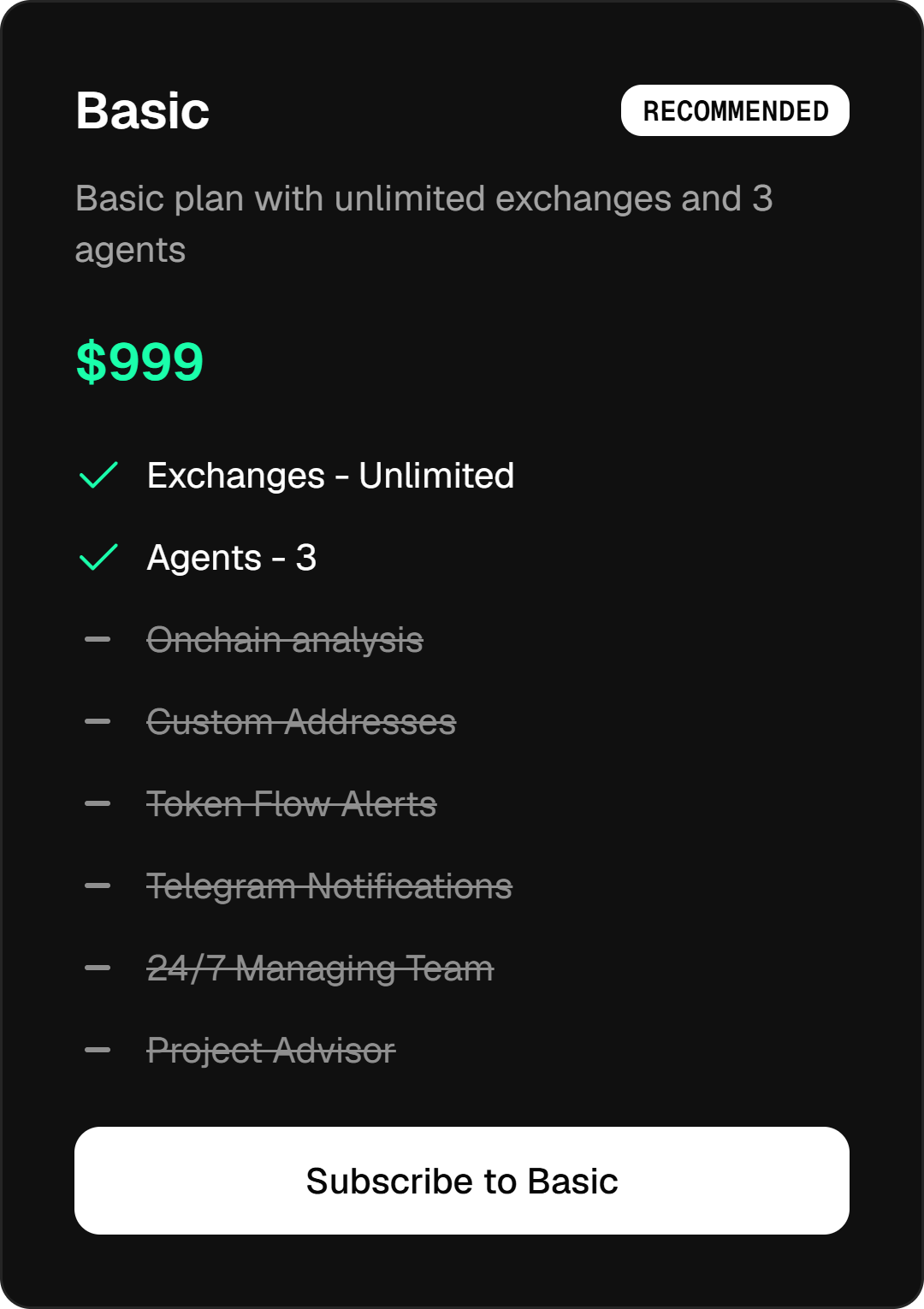
Watching a token, connecting keys, picking an agent and setting it up cost nothing. A free workspace can watch one token on one exchange.
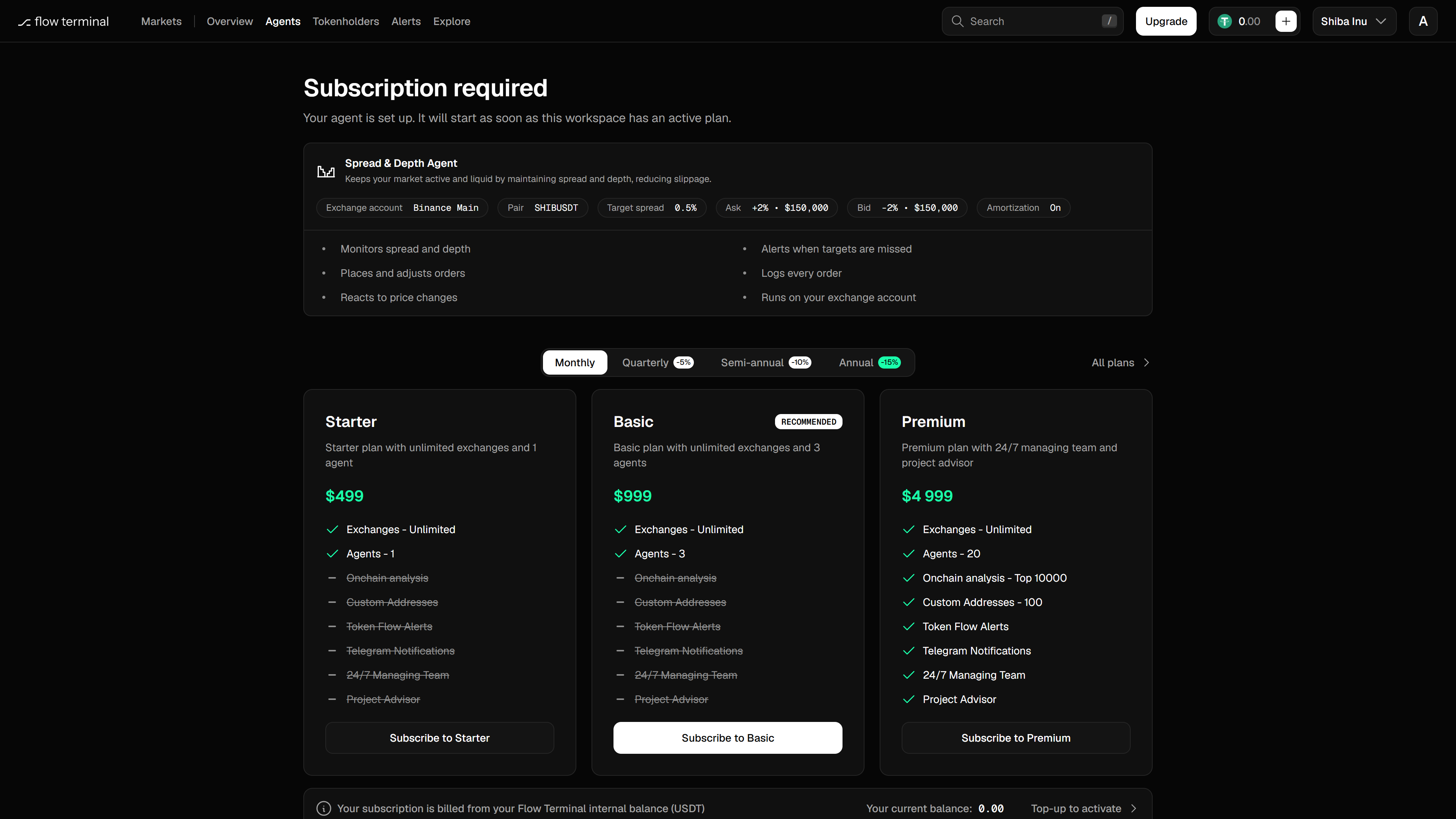
The plan only comes up at Run. By then the agent is already set up for your token, and the paywall shows it on top: "Your agent is set up. It will start as soon as this workspace has an active plan."
What I'd measure.
How many new workspaces get to a running agent.
I'd split the path into steps (token, keys, setup, Run, payment) and look at where people drop. I'd expect two places: the keys, because handing API keys to a new product takes trust, and the paywall. If they drop at the keys, that step needs work. If they reach Run and don't pay, everything before it worked, and the question is the price.